
As RWE Design Build Case Studies: Transforming Industrial Shells into Creative Hubs takes center stage, this opening passage beckons readers with a captivating glimpse into the world of repurposing industrial spaces into vibrant hubs of creativity.
Delving deeper, we explore the steps, design elements, and community impacts of these transformative projects by RWE Design Build.
Introduction to RWE Design Build Case Studies
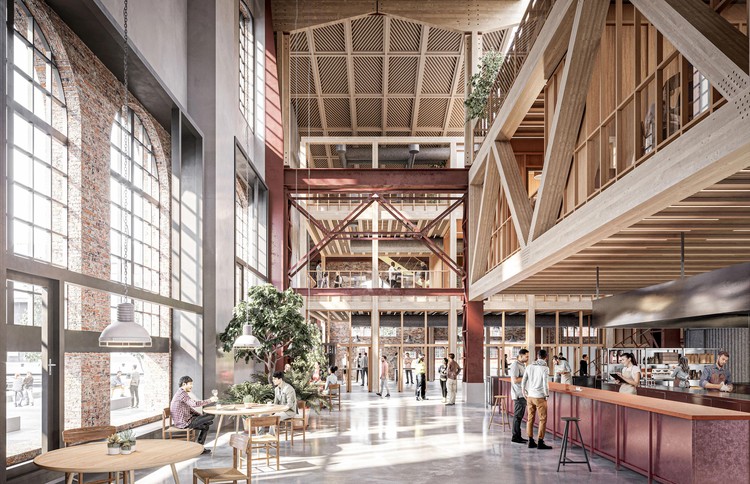 RWE Design Build specializes in the transformation of industrial shells into vibrant creative hubs that breathe new life into old spaces. With a focus on innovative design and sustainable practices, RWE Design Build reimagines these industrial structures to serve modern needs while preserving their historical significance.
Repurposing industrial spaces for creative use is crucial in revitalizing urban areas and fostering a sense of community. By converting abandoned factories, warehouses, and other industrial buildings into dynamic spaces for art studios, coworking offices, galleries, and more, RWE Design Build contributes to the cultural and economic growth of neighborhoods.
RWE Design Build specializes in the transformation of industrial shells into vibrant creative hubs that breathe new life into old spaces. With a focus on innovative design and sustainable practices, RWE Design Build reimagines these industrial structures to serve modern needs while preserving their historical significance.
Repurposing industrial spaces for creative use is crucial in revitalizing urban areas and fostering a sense of community. By converting abandoned factories, warehouses, and other industrial buildings into dynamic spaces for art studios, coworking offices, galleries, and more, RWE Design Build contributes to the cultural and economic growth of neighborhoods.
Successful Transformations by RWE Design Build
- RWE Design Build converted a disused warehouse into a bustling art gallery, attracting local artists and art enthusiasts to showcase their work.
- The transformation of an old factory into a modern coworking space provided a collaborative environment for startups and entrepreneurs to thrive.
- By repurposing a historic mill into a mixed-use development with residential lofts and retail spaces, RWE Design Build created a vibrant community hub.
Industrial Shell Transformation Process
In transforming industrial shells into creative hubs, RWE Design Build follows a meticulous step-by-step process to ensure the successful repurposing of these spaces. This process involves overcoming various challenges and focusing on key factors that contribute to the overall success of the transformation.Site Assessment and Planning
Once a potential industrial shell is identified for transformation, the first step is to conduct a thorough site assessment. This includes evaluating the structural integrity of the building, identifying any potential hazards, and assessing the feasibility of the project. Following the assessment, a detailed plan is developed outlining the scope of work, budget considerations, and timeline for completion.Adaptive Reuse and Renovation
One of the main challenges in repurposing industrial spaces is adapting the existing structure to meet the needs of a creative hub. This involves renovating the interior and exterior of the building while preserving key architectural elements that add character to the space. RWE Design Build focuses on sustainable building practices and environmentally-friendly materials during the renovation process.Creative Space Design
To transform an industrial shell into a creative hub, careful attention is paid to the design of the space. This includes creating versatile work areas, collaborative zones, and recreational spaces that inspire creativity and innovation. The design process involves maximizing natural light, incorporating flexible furniture solutions, and integrating technology to enhance the overall user experience.Community Engagement and Activation
Key to the success of transforming industrial shells into creative hubs is community engagement and activation. RWE Design Build works closely with local stakeholders, artists, and entrepreneurs to ensure that the space meets the needs of the community and fosters a sense of belonging. This collaborative approach helps create a vibrant and dynamic environment that encourages creativity and collaboration among users.Creative Design Elements
Incorporating innovative design elements is a key aspect of RWE Design Build's projects, transforming industrial shells into vibrant creative hubs that not only look visually appealing but also enhance functionality.Adaptive Reuse
Utilizing adaptive reuse techniques, RWE Design Build repurposes existing industrial structures by integrating modern design elements while preserving the historical integrity of the buildings. This approach not only adds character to the space but also reduces environmental impact by recycling existing materials.Open Concept Layout
One of the common design elements found in RWE Design Build's projects is the open concept layout, which creates a sense of spaciousness and flexibility within the transformed spaces. By removing unnecessary walls and partitions, the design allows for seamless flow between different areas, promoting collaboration and creativity.Green Design Features
Incorporating sustainable and green design features such as energy-efficient lighting, natural ventilation, and green spaces, RWE Design Build enhances the functionality of the transformed spaces while reducing their environmental footprint. These design elements not only create a healthier work environment but also contribute to long-term cost savings.Integration of Artistic Elements
RWE Design Build often integrates artistic elements such as murals, sculptures, and installations into their projects, adding a unique and creative touch to the transformed spaces. By blending art with architecture, these design elements not only enhance the aesthetics of the space but also inspire creativity and innovation among the occupants.Flexible Furniture Solutions
To maximize the usability of the transformed spaces, RWE Design Build incorporates flexible furniture solutions that can be easily rearranged or adapted to different needs. This design element allows for versatility in how the space is utilized, catering to various activities and events that take place within the creative hubs.Impact on Communities and Businesses
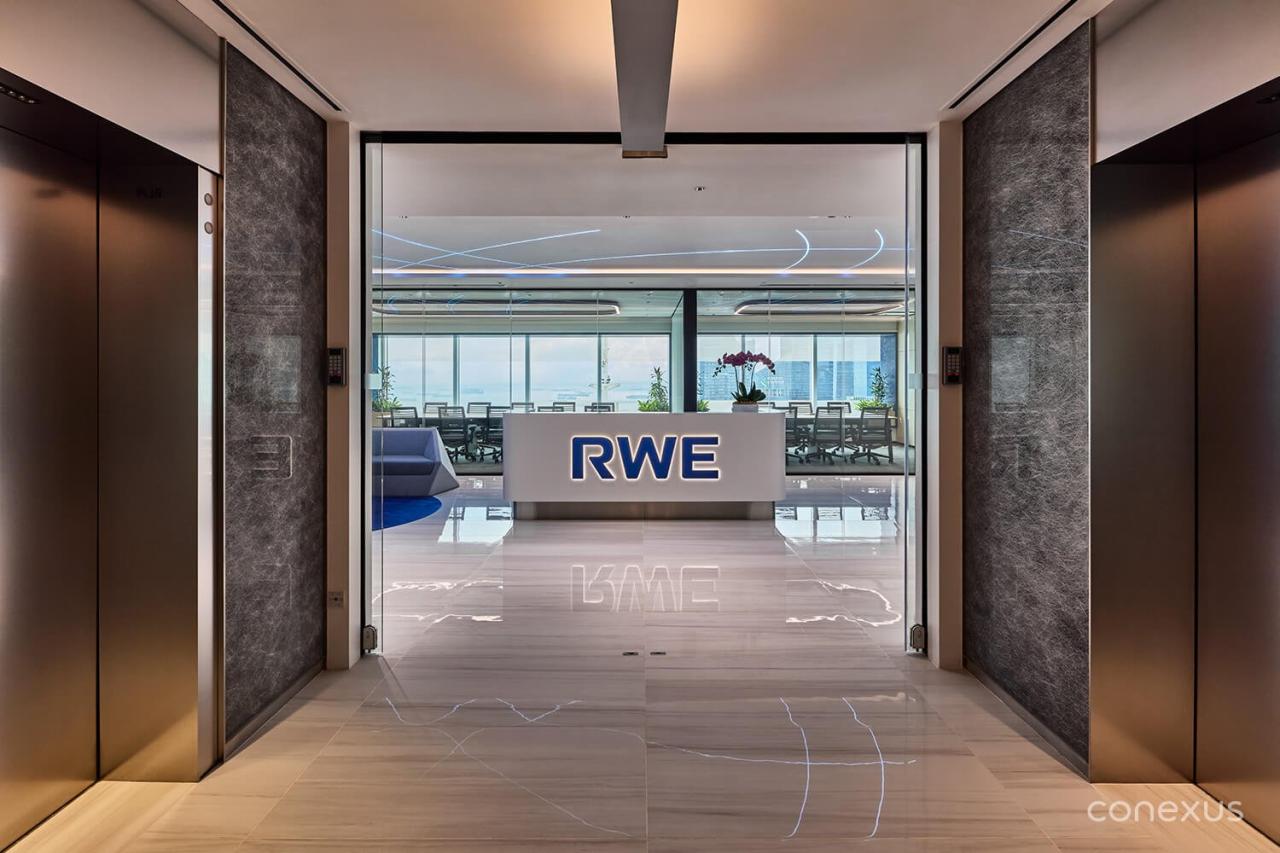
Transforming industrial shells into creative hubs has a significant impact on both the surrounding communities and businesses that choose to relocate to these repurposed spaces.
Community Transformation
When industrial spaces are repurposed into creative hubs, it revitalizes the surrounding communities by attracting artists, entrepreneurs, and other creatives. This influx of new residents brings a sense of vibrancy and cultural diversity to the area.
- Increased foot traffic in the community due to events and activities hosted in these creative hubs.
- Enhanced sense of community pride as the area becomes known for its unique and innovative spaces.
- Improved property values and economic growth as the neighborhood becomes a desirable place to live and work.
Business Benefits
Businesses that choose to relocate to repurposed industrial spaces benefit from the unique design elements and collaborative environment fostered by these creative hubs.
- Access to a network of like-minded individuals and businesses, leading to potential collaborations and partnerships.
- Creative workspaces that inspire innovation and productivity among employees.
- Cost-effective solutions for setting up offices or studios in dynamic and visually appealing environments.
Testimonials
Feedback from businesses and community members who have been affected by the transformation of industrial shells into creative hubs has been overwhelmingly positive.
"Relocating our business to a repurposed industrial space has allowed us to tap into a creative energy that we never knew existed. Our team is more motivated and inspired than ever before." - Business Owner
"The transformation of these industrial shells into vibrant hubs of activity has brought our community together in ways we never thought possible. We now have a thriving arts scene and a strong sense of identity." - Community Member
Conclusion
In conclusion, the journey of transforming industrial shells into creative hubs by RWE Design Build is not just about renovation but also about revitalizing communities and sparking innovation.
Query Resolution
How does RWE Design Build approach transforming industrial shells into creative hubs?
RWE Design Build follows a meticulous process that combines innovative design elements with community engagement to breathe new life into industrial spaces.
What challenges are faced when repurposing industrial spaces into creative hubs?
Challenges include structural limitations, zoning regulations, and ensuring a harmonious blend of functionality and aesthetics in the transformed spaces.
What impact do these transformed creative hubs have on surrounding communities?
The creative hubs contribute to community revitalization, attracting businesses, fostering creativity, and creating vibrant hubs for collaboration.