
Delving into the realm of how Australian Wealth Management Advisory Firms tackle Capital Gains Tax, this article aims to provide a comprehensive insight into the strategies and practices employed in navigating this complex financial landscape. With a focus on maximizing tax efficiency and minimizing liabilities, readers are invited to explore the nuanced world of capital gains tax management in Australia.
Overview of Capital Gains Tax in Australia
Capital gains tax (CGT) is a tax on the profit made from the disposal of certain assets in Australia. It applies to individuals, companies, and trusts who have made a capital gain. Capital gains tax is not a separate tax, but rather a part of your income tax. Here is an overview of how capital gains tax works in Australia.Assets Subject to Capital Gains Tax
- Shares
- Real estate
- Collectibles like art or antiques
- Business assets
Current Capital Gains Tax Rates and Exemptions
In Australia, capital gains tax is calculated based on the difference between the purchase price and the sale price of the asset. The current capital gains tax rates are as follows:
- For individuals, the capital gains tax rate is typically equal to their marginal tax rate.
- Assets held for more than 12 months may be eligible for a 50% discount on the capital gain for individuals and trusts.
- There are exemptions available for certain assets, such as the family home, cars, and personal use assets valued at less than $10,000.
Role of Wealth Management Advisory Firms
Wealth management advisory firms play a crucial role in assisting clients in navigating the complexities of capital gains tax and optimizing their tax outcomes. These firms provide expert guidance and strategic advice to help clients minimize their tax liabilities while maximizing their financial gains.Strategies Employed by Wealth Management Advisory Firms
- One common strategy employed by wealth management advisory firms is tax-loss harvesting. This involves selling investments that have experienced a loss to offset capital gains and reduce taxable income.
- Asset location is another key strategy utilized by these firms. By strategically placing assets in tax-efficient accounts, such as retirement accounts or tax-deferred accounts, clients can reduce their overall tax burden.
- Implementing a diversified investment portfolio can also help mitigate capital gains tax. By spreading investments across different asset classes, clients can take advantage of lower tax rates on long-term capital gains.
- Utilizing tax-advantaged investment vehicles like index funds, ETFs, or municipal bonds is another effective strategy to minimize capital gains tax exposure.
Handling Capital Gains Tax Reporting
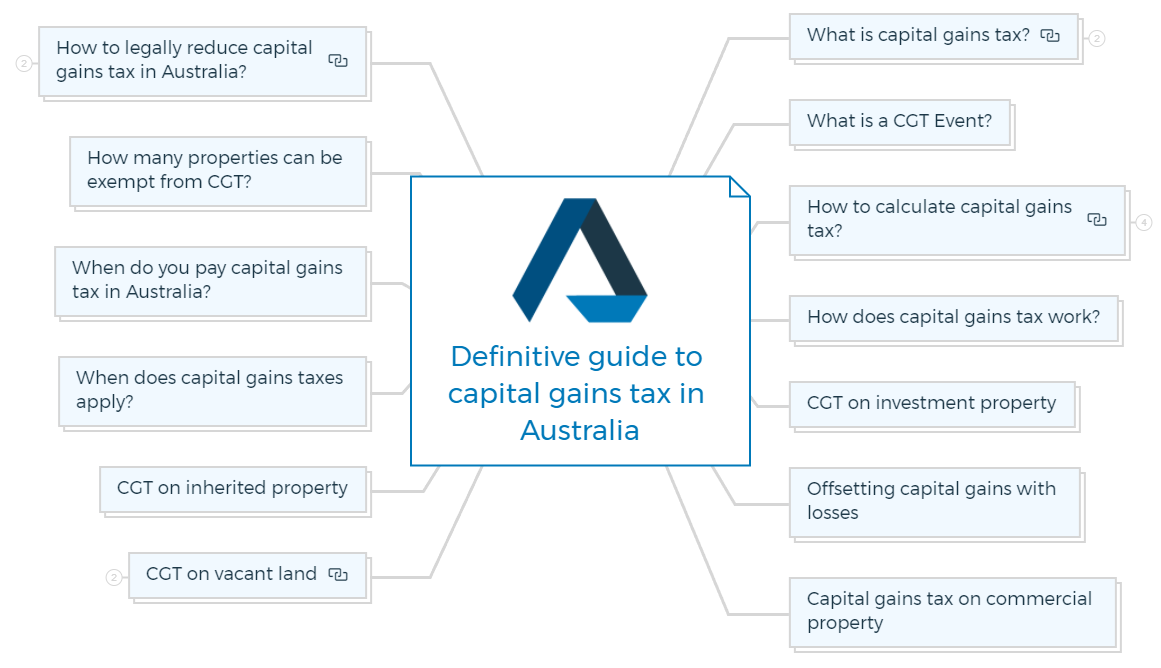 When it comes to handling capital gains tax reporting, wealth management advisory firms play a crucial role in ensuring compliance with tax laws and regulations in Australia. These firms assist clients in accurately reporting their capital gains to the Australian Taxation Office (ATO) while maintaining detailed documentation and records to support these reports.
Documentation and Records Required
- Wealth management advisory firms require clients to provide documentation related to the acquisition and sale of assets that resulted in capital gains. This includes purchase receipts, sales contracts, and any other relevant paperwork.
- Records of any capital losses incurred during the financial year must also be documented to offset gains and calculate the net capital gain accurately.
- Detailed records of any capital gains tax discounts or concessions that may apply to the transactions should be maintained to ensure accurate reporting to the ATO.
Compliance with Tax Laws
- Wealth management advisory firms conduct regular reviews of their clients' financial transactions to identify any potential capital gains tax liabilities and ensure compliance with relevant tax laws.
- These firms stay updated on changes to tax laws and regulations concerning capital gains tax to provide accurate advice to clients and minimize tax liabilities legally.
- By maintaining accurate records and documentation, wealth management advisory firms help clients navigate the complexities of capital gains tax reporting and ensure compliance with the ATO requirements.
Capital Gains Tax Planning Strategies
When it comes to managing capital gains tax, Australian wealth management advisory firms employ various strategies to help their clients minimize tax liabilities and maximize investment returns. By strategically planning investments, these firms aim to optimize tax outcomes and enhance overall portfolio performance.Short-term vs. Long-term Capital Gains Tax Implications
- Short-term capital gains refer to profits made on assets held for less than 12 months, while long-term capital gains are from assets held for over 12 months.
- Short-term capital gains are taxed at the individual's marginal tax rate, which can be significantly higher compared to the concessional rates applied to long-term gains.
- Advisory firms often recommend holding investments for the long term to benefit from lower tax rates on capital gains.
Structuring Investments to Minimize Capital Gains Tax
- Advisory firms may suggest diversifying the portfolio to spread out capital gains over different assets and time periods, reducing tax liabilities.
- Utilizing tax-efficient investment vehicles such as managed funds or superannuation accounts can help minimize capital gains tax exposure.
- Strategic timing of asset sales and utilizing tax-loss harvesting techniques can offset gains with losses, reducing the overall tax burden.
- Implementing strategies like setting up family trusts or utilizing capital gains tax concessions available for small business owners can also be recommended by wealth management firms.
Final Thoughts
As we wrap up our discussion on how Australian Wealth Management Advisory Firms handle Capital Gains Tax, it becomes evident that the expertise and guidance provided by these firms play a crucial role in optimizing tax outcomes for their clients. By staying abreast of tax laws and employing tailored strategies, these firms ensure that clients can navigate the complexities of capital gains tax with confidence and efficiency.
Helpful Answers
How do wealth management advisory firms help clients minimize capital gains tax liabilities?
Wealth management advisory firms assist clients by strategizing investment structures, utilizing tax-efficient instruments, and optimizing timing of asset sales to minimize capital gains tax liabilities.
What documentation and records do wealth management advisory firms require for accurate capital gains tax reporting?
Wealth management advisory firms typically require detailed records of asset purchases, sales, and valuations, along with relevant tax forms and investment statements for accurate capital gains tax reporting.
What are some common capital gains tax planning strategies employed by Australian wealth management advisory firms?
Common strategies include tax-loss harvesting, using tax-advantaged accounts, gifting appreciated assets, and structuring investments in a way that minimizes tax implications.