
Exploring the intersection of RWE Design Build and sustainable urban development in 2026 sets the stage for a forward-thinking narrative that delves into innovative strategies and technological advancements shaping our cities.
This paragraph introduces the key concepts and sets the tone for an engaging discussion ahead.
Overview of RWE Design Build in Sustainable Urban Development
RWE Design Build is a design and construction approach that focuses on creating buildings and infrastructure with a strong emphasis on sustainability, energy efficiency, and environmental impact. It integrates innovative design techniques and construction methods to minimize resource consumption and reduce carbon footprint. Sustainable urban development is the practice of designing and building cities in a way that promotes environmental, economic, and social sustainability. It involves creating communities that are resilient, resource-efficient, and provide a high quality of life for residents. Sustainable urban development aims to address issues such as climate change, pollution, and resource depletion.The Relationship between RWE Design Build and Sustainable Urban Development
RWE Design Build plays a crucial role in advancing sustainable urban development by incorporating green building practices, renewable energy systems, and sustainable materials into the construction process. By prioritizing energy efficiency and environmental responsibility, RWE Design Build projects contribute to creating more sustainable and environmentally friendly urban environments.- RWE Design Build integrates sustainable design principles such as passive solar heating, natural ventilation, and green roofs to reduce energy consumption and promote a healthier indoor environment.
- By using renewable energy sources like solar panels and geothermal heating, RWE Design Build projects help reduce reliance on fossil fuels and lower greenhouse gas emissions.
- The use of sustainable materials in construction, such as recycled steel, reclaimed wood, and low-VOC paints, minimizes environmental impact and promotes a circular economy.
- RWE Design Build projects often incorporate smart technologies and innovative solutions to optimize energy use, water consumption, and waste management, leading to more efficient and sustainable urban developments.
RWE Design Build Strategies for Sustainable Urban Development

RWE Design Build employs several key strategies to promote sustainable urban development. These strategies focus on incorporating green technologies, promoting energy efficiency, and enhancing community engagement and social sustainability.
Green Technologies Integration
- RWE Design Build integrates renewable energy sources such as solar panels and wind turbines into urban development projects to reduce carbon footprint and promote clean energy.
- By incorporating green technologies, RWE Design Build enhances the overall sustainability of urban areas and reduces dependency on fossil fuels.
Energy Efficiency Initiatives
- RWE Design Build prioritizes energy-efficient design and construction practices to minimize energy consumption in buildings and infrastructure.
- Through the use of energy-efficient materials and technologies, RWE Design Build reduces operational costs for residents and businesses while promoting environmental sustainability.
Community Engagement and Social Sustainability
- RWE Design Build engages with local communities throughout the urban development process to ensure that projects meet the needs and preferences of residents.
- By fostering community participation and collaboration, RWE Design Build creates inclusive and socially sustainable urban environments that promote well-being and quality of life.
Technology and Innovation in RWE Design Build for Urban Development
In the realm of sustainable urban development, technology and innovation play a crucial role in shaping the future of construction projects. RWE Design Build is at the forefront of incorporating cutting-edge technologies and innovative approaches to create sustainable urban spaces that are efficient, environmentally friendly, and visually appealing.Use of Building Information Modeling (BIM) in RWE Design Build
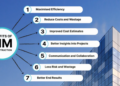
- RWE Design Build utilizes Building Information Modeling (BIM) to create detailed 3D models of construction projects, allowing for better visualization and coordination among stakeholders.
- BIM helps in optimizing building designs, identifying potential conflicts early in the planning stages, and improving overall project efficiency.
- By leveraging BIM technology, RWE Design Build can streamline the construction process, reduce waste, and enhance collaboration between architects, engineers, and contractors.
Incorporation of Sustainable Materials and Green Technologies
- RWE Design Build focuses on using sustainable materials and green technologies in their projects to minimize environmental impact and promote energy efficiency.
- From incorporating solar panels and green roofs to utilizing recycled materials and energy-efficient systems, RWE Design Build prioritizes eco-friendly construction practices.
- By integrating sustainable elements into their designs, RWE Design Build contributes to the overall sustainability of urban developments and helps create healthier living environments for residents.
Future Trends in Technology for RWE Design Build in 2026
- As technology continues to evolve, RWE Design Build is expected to embrace advanced construction methods such as 3D printing, robotic automation, and artificial intelligence to further enhance project efficiency and sustainability.
- The use of drones for site surveys, augmented reality for design visualization, and Internet of Things (IoT) for building management are some of the future trends that may influence RWE Design Build practices in 2026.
- By staying abreast of emerging technologies and incorporating them into their projects, RWE Design Build remains at the forefront of sustainable urban development, driving innovation and setting new standards for the industry.
Environmental Impact of RWE Design Build in Urban Development
In the realm of sustainable urban development, the environmental impact of RWE Design Build projects plays a crucial role in shaping the future of cities. By focusing on eco-friendly practices and innovative solutions, RWE Design Build strives to create urban spaces that not only meet the needs of residents but also protect the environment for future generations.Environmental Benefits of RWE Design Build in Sustainable Urban Development
- RWE Design Build incorporates green building practices such as using sustainable materials, energy-efficient designs, and renewable energy sources to reduce carbon emissions and energy consumption.
- By implementing green infrastructure initiatives like green roofs, rain gardens, and permeable pavements, RWE Design Build helps to manage stormwater runoff and improve overall water quality in urban areas.
- The emphasis on biodiversity and natural habitats in RWE Design Build projects enhances urban ecosystems, promotes wildlife conservation, and creates a healthier environment for both humans and wildlife.
Minimizing Ecological Footprint
- RWE Design Build prioritizes resource efficiency by minimizing waste generation, recycling materials, and adopting circular economy principles to reduce the environmental impact of construction activities.
- The use of smart technology and sustainable building techniques in RWE Design Build projects optimizes energy consumption, reduces greenhouse gas emissions, and contributes to a more sustainable urban environment.
- Through sustainable transportation planning and the promotion of alternative modes of transportation, RWE Design Build aims to reduce traffic congestion, air pollution, and carbon emissions in urban areas.
Challenges and Criticisms
- One of the challenges facing RWE Design Build projects is the initial higher cost associated with incorporating eco-friendly technologies and sustainable practices, which may deter some developers or investors.
- Critics of RWE Design Build often raise concerns about the scalability and long-term viability of green technologies, as well as the potential trade-offs between environmental benefits and economic considerations in urban development projects.
- Ensuring the effective implementation and monitoring of environmental standards and regulations in RWE Design Build projects remains a critical issue to address to mitigate any negative environmental impacts and ensure sustainable urban development.
Final Summary
As we conclude our exploration of How RWE Design Build Impacts Sustainable Urban Development in 2026, it becomes evident that the future of our cities lies in the hands of sustainable design and development practices.
Essential FAQs
How does RWE Design Build contribute to sustainable urban development?
RWE Design Build integrates sustainable practices into its projects, focusing on minimizing environmental impact and promoting long-term urban sustainability.
What sets RWE Design Build apart from traditional urban development methods?
RWE Design Build emphasizes innovative strategies and cutting-edge technology to create sustainable urban spaces that prioritize environmental conservation.
What role does technology play in RWE Design Build projects?
Technology is a key enabler in RWE Design Build projects, facilitating efficient design processes and enhancing sustainability outcomes.
How does RWE Design Build address environmental challenges in urban development?
RWE Design Build focuses on minimizing its ecological footprint through careful planning, resource management, and sustainable design practices.